Car shipping decisions often come down to one question that gets overlooked. Should the vehicle be fully protected or just moved efficiently? Open and enclosed transport sound similar until the car is actually on the road. That difference becomes clearer once the shipment is underway.
Many people don’t realize what those options really involve until they’re already booked. The choice affects more than just how the car is carried. It impacts exposure, timing, availability, and cost. Picking one without understanding the tradeoffs often leads to later regret.
Understanding the Difference Between Open and Enclosed Transport
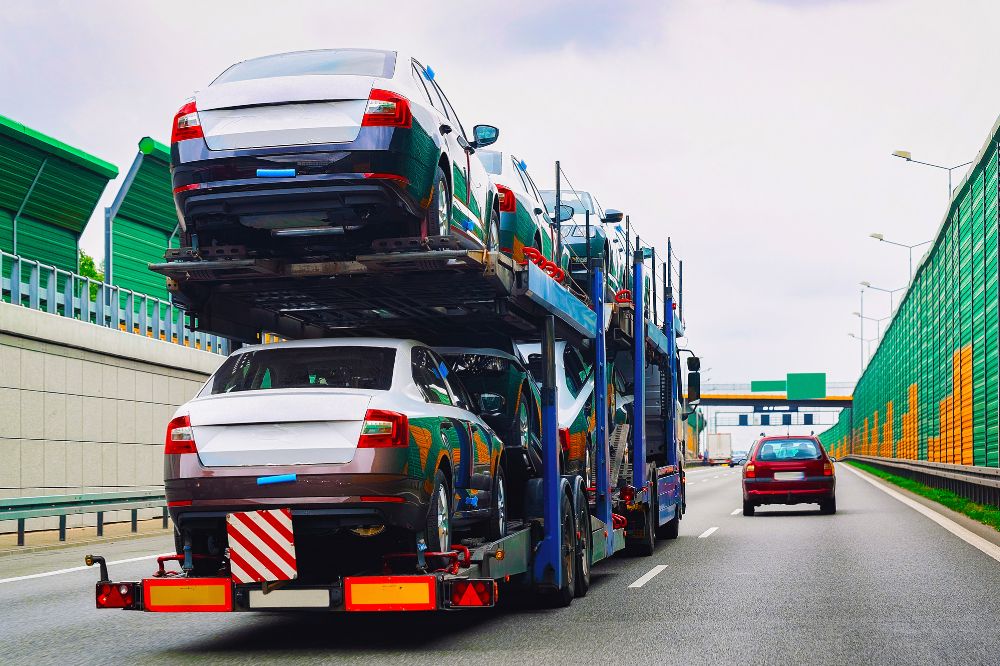
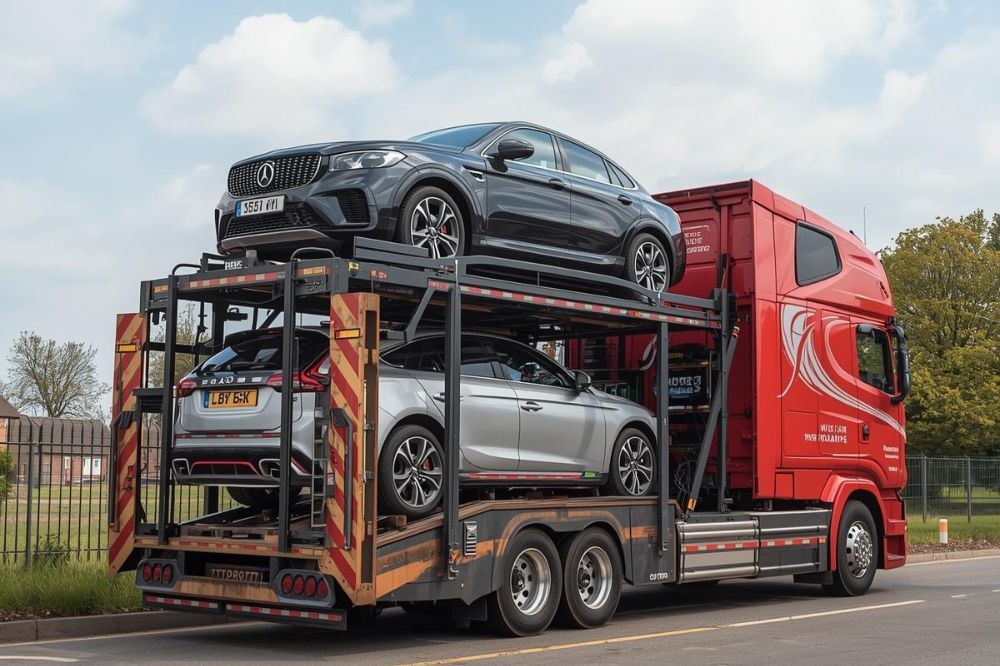
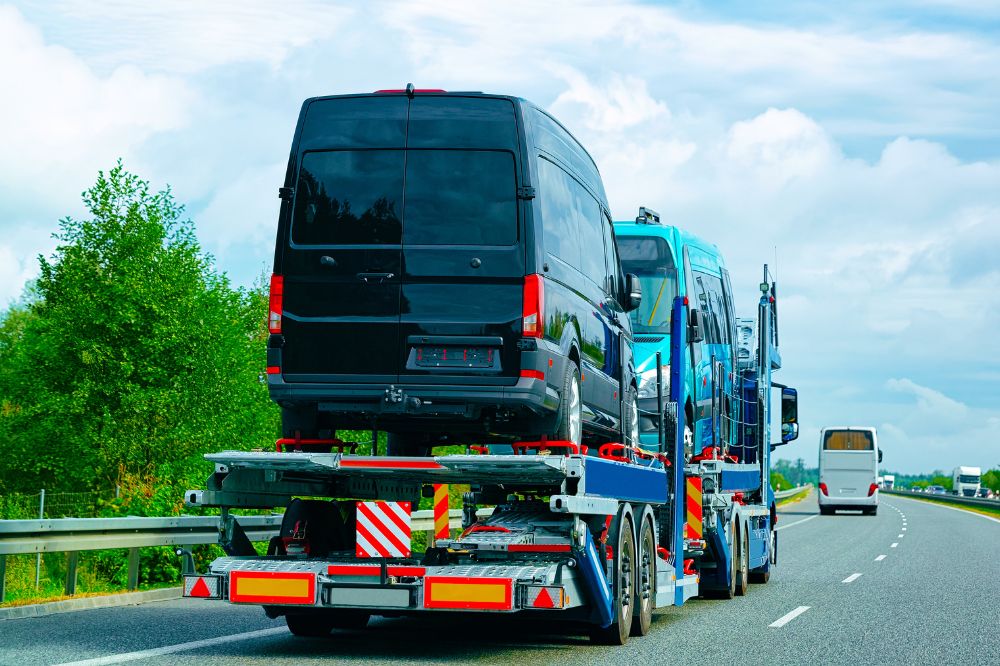
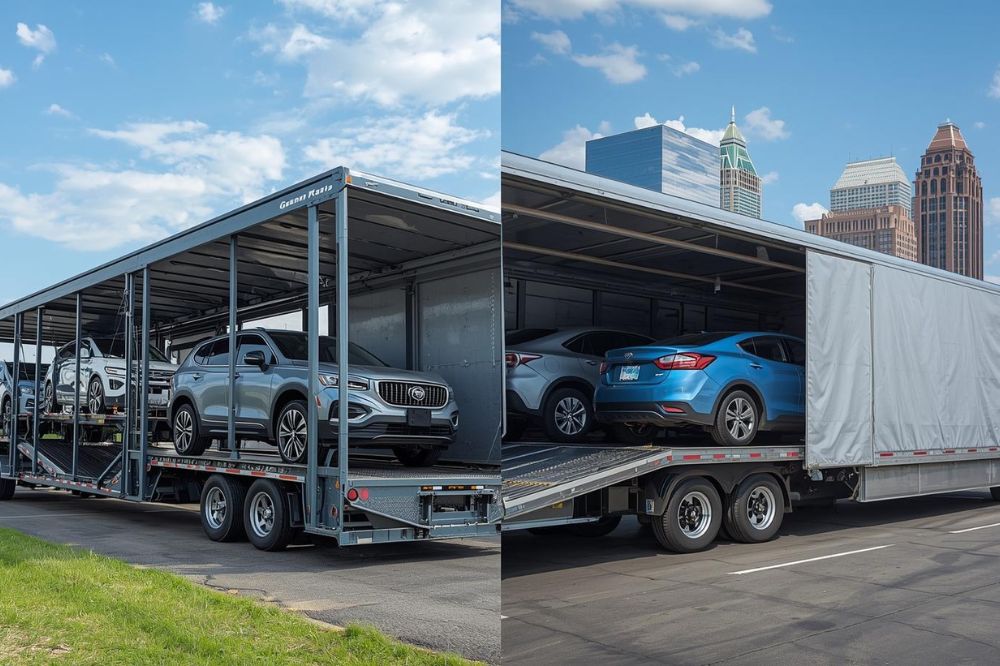
Open transport is the most common option. Cars are loaded onto an open trailer, usually stacked in two rows. These are the trucks seen every day on highways. They move multiple vehicles at once and follow regular routes.
Enclosed transport uses a covered trailer. Vehicles are fully shielded from the outside. Fewer cars are moved at a time, and availability is more limited. Because open transport is so common, most dealerships and manufacturers rely on it daily. It’s built for volume and consistency, not special handling.
Enclosed transport, on the other hand, is planned with fewer vehicles and more attention to spacing, loading angles, and secure positioning. That difference doesn’t matter for every car, but it becomes noticeable depending on the shipment.
How Cars Are Actually Moved on the Road
With open carriers, vehicles are exposed to normal road conditions. Wind, dust, rain, and debris are part of the trip. For most cars, this doesn’t cause issues beyond needing a wash after delivery.
Enclosed carriers eliminate that exposure. Cars stay protected the entire trip. Loading and unloading are usually slower and more controlled. This method is designed for vehicles that need extra care, not speed or volume.
Exposure, Protection, and Risk
Risk tolerance plays a big role in choosing between the two. Open transport accepts minor exposure as part of the process. That works fine for daily drivers and standard vehicles.
Weather conditions also factor into this decision more than people expect. Rain, road salt, and construction debris are normal parts of long-distance transport. While damage is rare, exposure is unavoidable on open carriers. Some owners are fine with that tradeoff. Others prefer limiting any chance of cosmetic impact, even if the risk is small.
Enclosed transport reduces those risks. It doesn’t guarantee perfection, but it lowers exposure significantly. For vehicles with special paint, high value, or sentimental importance, that protection matters more than convenience.
Price Gaps Between the Two Options
Cost differences are noticeable. Open transport is more affordable because carriers move more vehicles per trip. Routes are frequent, and scheduling is easier.
Enclosed transport costs more due to limited space, specialized equipment, and fewer available carriers. The added cost isn’t about luxury. It reflects how the shipment is handled. Budget plays a role, but so does the value of the vehicle being shipped.
Another thing that affects pricing is carrier availability. Open transport has more drivers on the road at any given time. Enclosed carriers are fewer, which means scheduling can influence cost more heavily. When demand rises, enclosed pricing usually responds faster than open transport rates.
Open Transport for Everyday Vehicles
Most vehicles shipped today move on open carriers. Sedans, SUVs, trucks, and standard models fit this option well. Availability is better, and scheduling is more flexible.
For customers using auto transport Grand Rapids, MI, for normal vehicles, open transport usually makes the most sense. It balances cost and efficiency without adding unnecessary expense.
Enclosed Transport for High-Value Cars
Enclosed transport is often chosen for classic cars, luxury models, or vehicles that aren’t easily replaced. These shipments usually aren’t rushed. Timing is secondary to protection.
This option also appeals to owners who prefer peace of mind. Even if the risk is small, avoiding exposure altogether feels worth it for certain vehicles.
Route Availability and Scheduling
Open carriers run consistent routes. That makes pickups and deliveries easier to schedule. Enclosed carriers operate on tighter schedules and may require more flexibility.
Flexibility helps here. Being open to a wider pickup window often improves both availability and timing. This applies to both transport types, but it becomes especially important when enclosed carriers are involved. Rigid dates can limit options quickly.
Location plays a role here. Some routes see more traffic than others. Availability changes based on demand, season, and carrier schedules. Planning ahead improves options for both methods.
Deciding What Works Best
There’s no single right answer. Open and enclosed transport serve different needs. The best choice depends on the vehicle, budget, timeline, and comfort level with exposure.
Understanding these differences early makes the decision easier. It prevents last-minute changes and keeps expectations realistic. When the right option is chosen from the start, the shipping process feels straightforward instead of stressful.
We at Spark Auto Transport LLC help customers understand which option fits their situation. Instead of defaulting to one method, each shipment is matched to the vehicle, timing, and expectations.