Car shipping isn't new, but most people act like it is. A lot of what people "know" comes from stories, rumors, or half-remembered warnings. By the time someone actually needs to ship a car, they've already got a list of things they think are true. And most of it isn't. That's usually where stress starts.
There's a gap between what people think happens and what actually happens. Timing, cost, risk- almost every part of the process gets overcomplicated in someone's head. Understanding the truth keeps things simple.
Misconception 1: Car Shipping Is Only for Long Distances
A lot of people assume shipping only makes sense for cross-country moves. Coast to coast, thousands of miles. Anything shorter is “not worth it.”
The reality is, cars get shipped short distances all the time. Hundreds of miles is plenty for people who don't want to drive themselves. Maybe there are multiple cars to move, maybe driving isn't possible with work schedules, maybe someone doesn't want to spend days on the road.
Even short trips can take more time than people expect. Traffic, weather, fatigue- they all pile up. Shipping handles that without extra effort. Distance alone doesn't decide if shipping is worth it. It's about how much hassle someone wants to avoid.
Misconception 2: Driving Is Always Cheaper
At first glance, driving looks cheap. Fuel. Maybe a few miles. That's about it, right?
But then hotels get added, and meals for multiple people, and the time spent driving- days off work, if necessary. Then there's wear on the car itself. Tires, brakes, oil, maybe minor maintenance that wasn't planned. One small issue can turn a "cheap" drive into something expensive.
Shipping has a fixed cost. It's upfront, predictable, and removes the headaches. When you do the math honestly, driving isn't always the bargain it seems. Sometimes shipping ends up cheaper if you factor in everything.
Misconception 3: Cars Get Damaged Easily During Transport
Stress over damage is likely to happen again and again. Everyone envisions trucks bouncing all over the road while they have their car "crunched up" waiting to be delivered.
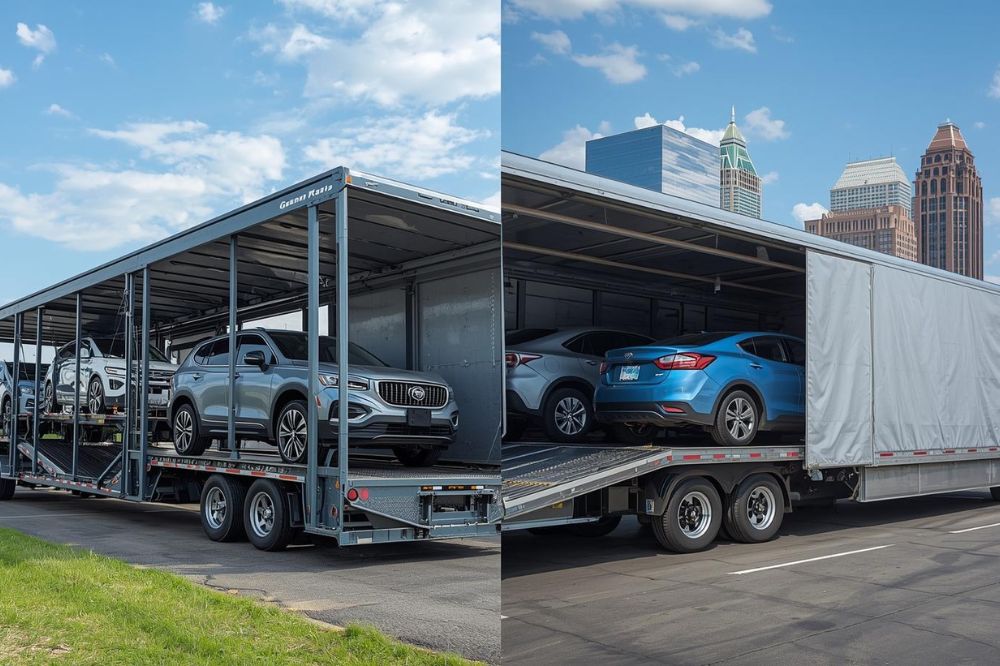
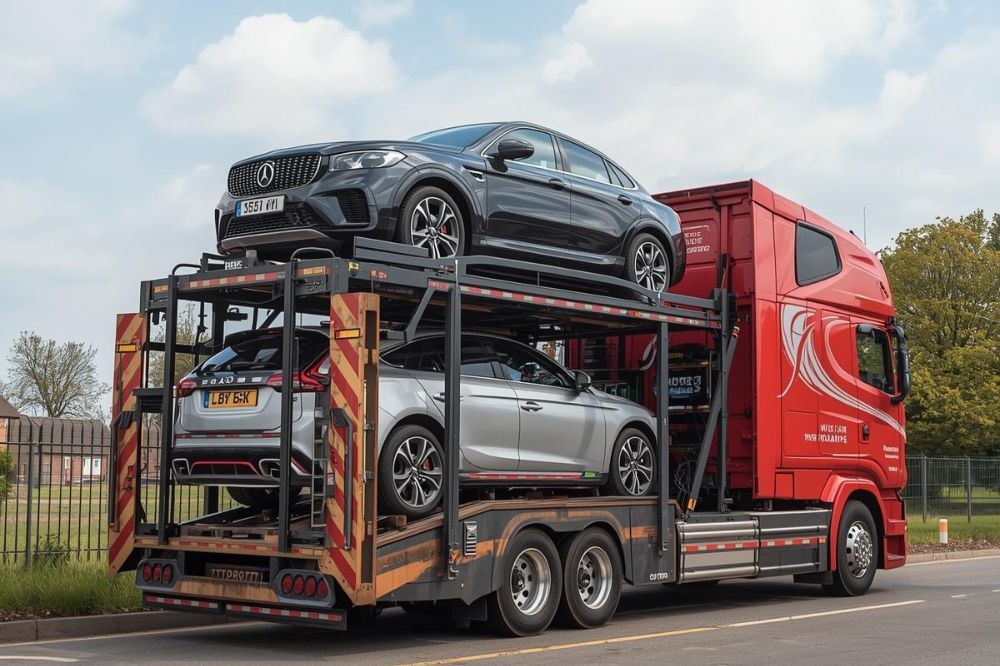
Today, there is a different way that automobiles are transported. Automobiles are securely strapped down within the truck, have their own insurance policy and undergo inspections prior to and post-delivery. Damage from trucking is extremely rare.
Usually, only minor amounts of dust, dirt, or other natural debris (road grime) will accumulate on an open car transport, and this is a normal occurrence.
Understanding this before you experience the stress of having your automobile shipped to you will help to alleviate much of the undue stress associated with the shipping process.
Misconception 4: Shipping Takes Too Long
Another common thought is that shipping equals weeks of waiting.
It doesn't. Timing depends on distance, route availability, and flexibility with pickup and delivery dates. Delays do happen, but mostly because of weather, traffic, or construction. Not because the shipment itself is slow.
Booking early and leaving a little room for flexibility usually keeps delivery within reasonable windows. People who wait until the last minute tend to feel rushed, but that's about planning, not transport.
Misconception 5: You Lose Control Once the Car Is Picked Up
Some believe that once a truck leaves, the car is gone and you have no say, no updates.
Reputable carriers communicate the entire way. You get estimated delivery windows. You can check in. Drivers aren't secretive, and most companies track shipments. Exact timing isn't guaranteed- weather and traffic can change things- but updates and information are always available.
Frustration often comes from not knowing how the process works, not from a lack of control.
Misconception 6: Winter Shipping Isn't Possible
Winter adds complexity, especially in places where roads freeze or snow piles up. That doesn't mean shipping stops.
Cars move all year. Routes and schedules adjust to weather conditions. Delivery might take a little longer, but it still happens. People using car shipping Michigan in the winter just need to allow a bit of flexibility. Expecting winter shipments to work exactly like summer is where frustration starts, not the season itself.
How Misconceptions Affect Planning
Believing myths leads to mistakes. People wait too long to book. They drive when shipping would be easier. They assume exact delivery times or zero risk.
When reality doesn't match expectations, stress piles up. Not because something went wrong, but because people planned based on wrong ideas. Clearing these misconceptions early makes the process smoother.
We at Spark Auto Transport LLC often work with customers who aren't sure what to expect. We explain the truth about transport types, timing, and what exposure is normal, which removes confusion.
What to Know Before Booking
Before booking, it helps to understand a few basics. Know the type of transport, ask questions about timing, check insurance, and leave room for weather or traffic delays.
Car shipping isn't unpredictable. Most problems come from assumptions, not the process itself. When misconceptions are replaced with reality, shipping a car is straightforward and manageable, even if it's the first time.