Shipping a classic car is different from moving a regular car. These vehicles often hold personal, historical, or financial value. Due to their age and uniqueness, classic cars require special care during transportation. Whether you’re relocating, selling, or showcasing your vehicle at a car show, safe and secure transport is key.
If you’re new to the process, the idea of shipping your car across states—or even across the country—might seem stressful. But it doesn’t have to be. With the right steps and service, your classic car can arrive in the same condition it left.
In this guide, we’ll walk you through how to ship a classic car the right way. From picking the right transport method to understanding insurance, each section will help you make informed choices.
If you’re already exploring classic car transport services, keep reading to understand the whole process.
How to Ship Classic Cars Safely and Securely
Choose Enclosed Auto Transport
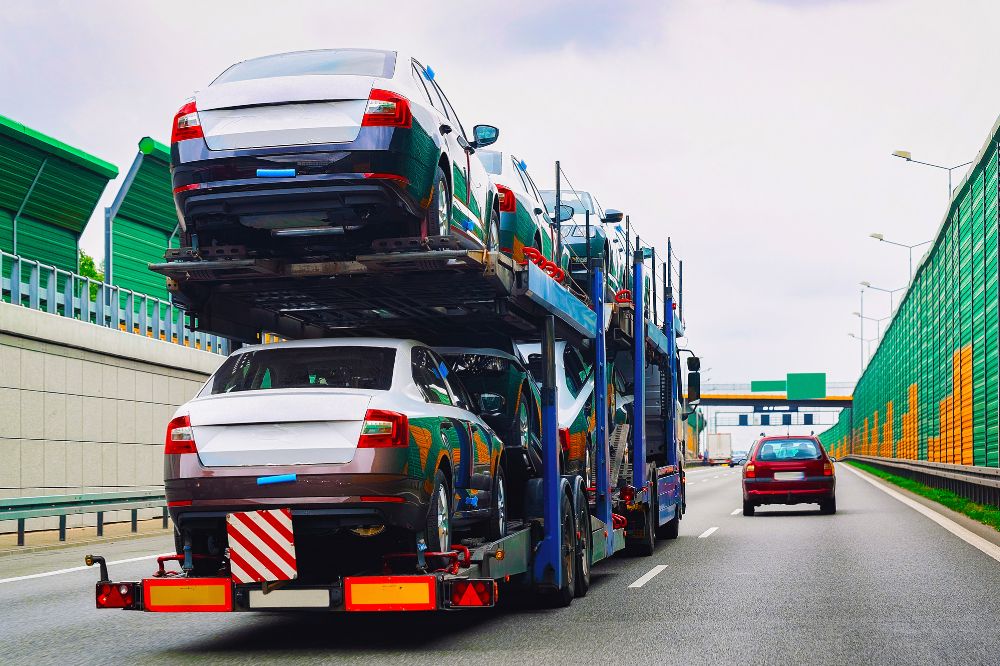
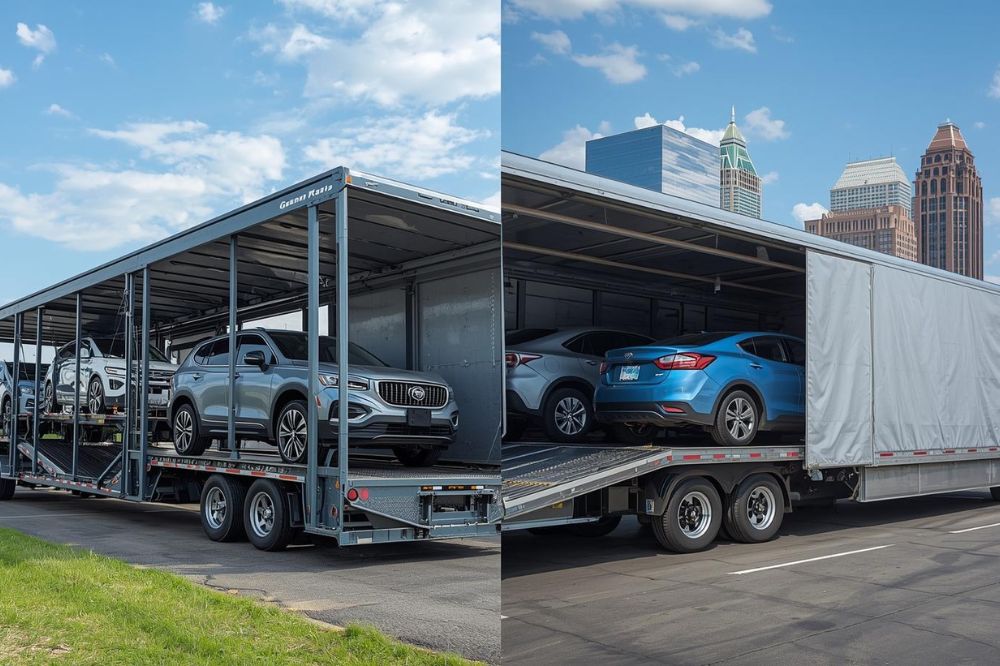
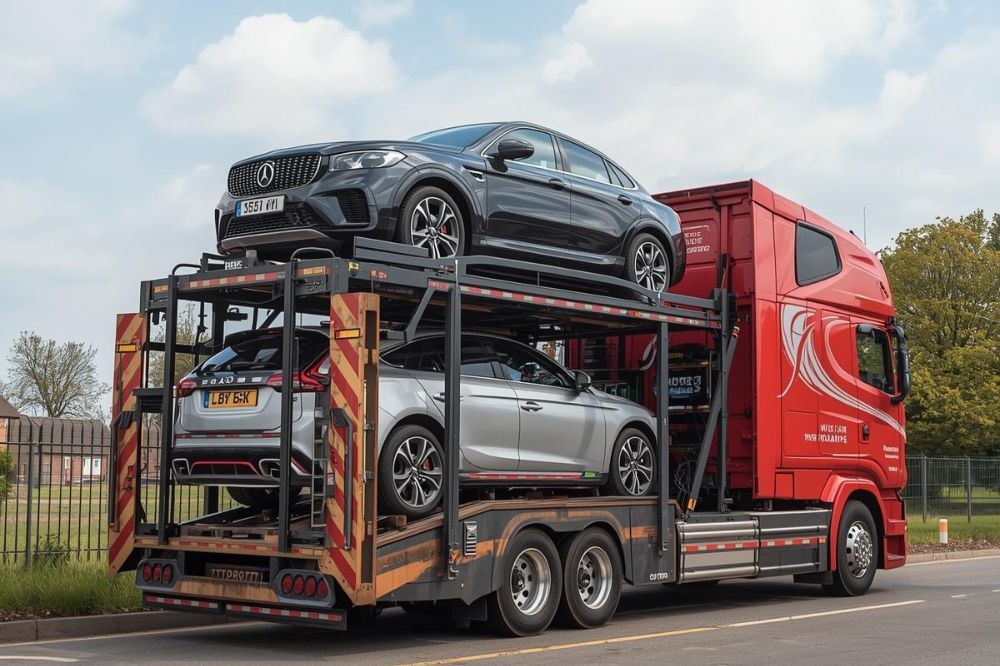
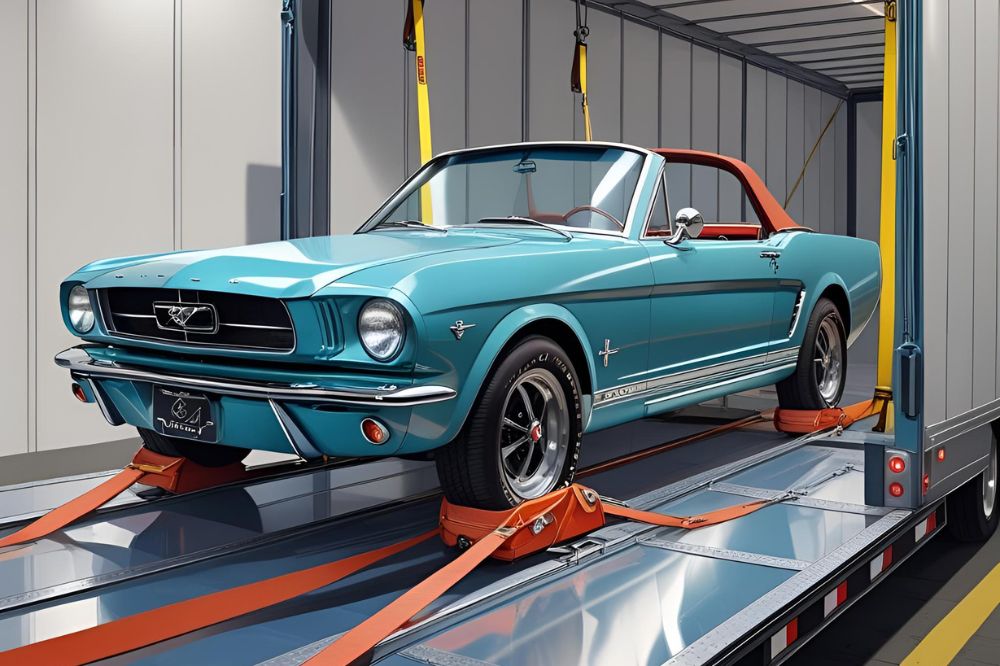
When it comes to classic cars, enclosed transport is usually the safest option. Open carriers are cheaper, but they expose your vehicle to rain, dirt, and road debris. Enclosed trailers keep your car protected from outside elements during the trip.
If your car has custom paint, delicate parts, or is a rare model, this option is worth the added cost. Some companies also offer soft or hard-sided enclosed carriers. Soft-sided trailers provide basic protection, while hard-sided ones offer additional security against harsh weather and road conditions.
Research the Auto Transport Company
Don’t go with the first company you see. Take time to compare a few that specialize in shipping classic cars. Check their DOT and MC numbers on the FMCSA website, read reviews, and ask key questions like:
- Are your drivers trained for classic cars?
- What trailers do you use?
- Is tracking available?
- What insurance is included?
A reliable company will answer clearly and won’t pressure you to book
Document the Vehicle’s Condition
Before your car is picked up, take a moment to inspect and document its current condition. Clean the car inside and out. This makes it easier to spot any scratches, dings, or paint chips.
Use your phone or camera to take high-quality pictures of the exterior, interior, tires, and undercarriage. Write down the current mileage and any known issues.
This record protects you in the event of damage during shipping. The transport company will also complete a condition report. Make sure both reports match before signing off.
Remove Loose or Personal Items
Loose items can move during transport and cause damage, especially in classic cars with older or custom interiors. Remove all personal items, such as GPS units, loose floor mats, trim pieces, and tools.
If your car has custom parts, such as spoilers or side mirrors that extend beyond the vehicle’s design, fold or remove them to avoid potential damage.
Make Sure the Car is Mechanically Ready
Even if your car won’t be driven during transport, it should still be in working condition—unless you’ve arranged for non-running vehicle shipping, which may incur additional costs. Check the following:
- Charged battery
- Inflated tires
- No leaks
- Working emergency brake
- Gas tank is about 1/4 full
Inform the transport company about any mechanical issues that may affect loading or unloading.
Understand Insurance Coverage
Most transport companies include insurance, but coverage varies. Ask for a copy of their policy and check what’s covered, the limits, and any deductibles. Confirm if it covers interior and mechanical parts or just the exterior. Also, check with your auto insurer—some offer temporary coverage during transport. For high-value cars, extra insurance may be a wise choice.
Confirm the Pickup and Delivery Process
Ask the company for a pickup and delivery window. These windows are often a few days long due to route planning, other deliveries, and traffic. Some companies offer guaranteed delivery dates, but this service may incur an additional cost.
You’ll also want to know if the transport is door-to-door or terminal-to-terminal. If your street is too narrow for a large carrier truck, you may need to meet the driver at a nearby parking lot.
During pickup, review the condition report with the driver again. Do the same at delivery.
Inspect the Vehicle at Delivery
Once your classic car arrives, inspect it right away before signing any paperwork. Compare the current condition with the photos and notes you took before transport.
Walk around the car slowly and check for:
- New dents or scratches
- Tire damage
- Paint chips
- Broken mirrors or lights
If you see any damage, note it clearly on the delivery report and take new photos. This will help you file a claim if needed.
Summary!
Transporting a classic car takes more than just scheduling a pickup. From choosing the right trailer to understanding insurance and documenting the condition, every step matters. With the right preparation and care, your vehicle can reach its destination safely and without stress.
For those ready to ship their classic car across the country, Spark Auto Transport LLC offers reliable, insured, and professional services tailored to vintage and collector vehicles. With experience handling classic cars, we’re here to help ensure your vehicle is moved with care, from start to finish