Transportation has always changed alongside human habits. As people began traveling farther for work, education, and personal reasons, moving vehicles became part of that shift. Car shipping from Lansing fits into this long evolution. It is not about speed or convenience alone, but about managing distance in a way that suits modern schedules. Understanding how the process works helps avoid confusion and sets realistic expectations.
This guide explains how car shipping from Lansing usually works, breaking the process into clear steps rather than promises or assumptions.
Why Car Shipping Is Used Today
Car shipping is often chosen when driving a vehicle long distances does not make practical sense. The reasons are usually logistical rather than emotional.
Common scenarios include:
- Job-related relocation
- Buying or selling a vehicle across state lines
- Long-term travel or temporary relocation
- Seasonal moves where return driving is unnecessary
In these situations, shipping allows people to focus on travel plans while limiting vehicle wear.
Step 1: Planning Before the Shipment Begins
Planning is the foundation of vehicle shipping. Decisions made early often shape the entire experience.
Important planning factors include:
- Exact pickup and delivery locations
- Vehicle size, type, and condition
- Timeline flexibility
Sub-points to consider:
- Lansing’s urban layout may make access easier for carriers
- Flexible dates usually reduce scheduling pressure
Early planning does not remove uncertainty, but it limits avoidable complications.
Step 2: Choosing a Transport Method
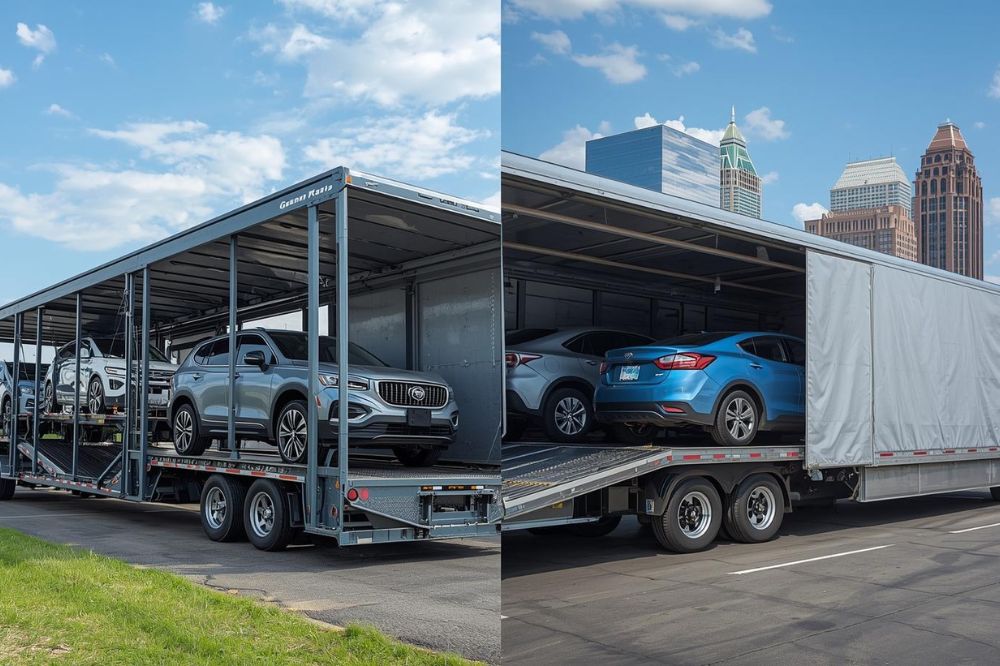
Vehicle shipping generally follows two main formats. Neither option is universally better.
| Transport Type | Description | Common Use |
| Open Carrier | Vehicles transported on open trailers | Everyday personal vehicles |
| Enclosed Carrier | Fully covered vehicle transport | High-value or sensitive vehicles |
The choice depends on vehicle condition, exposure concerns, and personal preference rather than urgency.
Step 3: Preparing the Vehicle Properly
Preparation is simple but important. It creates a clear record of the vehicle’s condition.
Basic preparation steps include:
- Cleaning the exterior for accurate inspection
- Removing personal belongings
- Checking tire pressure and battery charge
Additional preparation details:
- Leave minimal fuel in the tank
- Document existing scratches or dents
This stage helps avoid disagreements later.
Step 4: Understanding Pickup Day
Pickup day usually follows a predictable routine. Knowing what happens helps reduce uncertainty.
Typical pickup steps include:
- Visual inspection by the driver
- Completion of a condition report
- Loading the vehicle onto the carrier
Sub-point:
- Pickup times are estimated windows, not exact appointments
Weather and traffic around Lansing can affect timing.
Step 5: Transit Expectations
Once the vehicle is in transit, movement is planned but not constant. Carriers operate on multi-vehicle routes.
Important transit considerations include:
- Updates may be periodic rather than continuous
- Delays can occur due to inspections or weather
Understanding this phase helps manage expectations during waiting periods.
How Shipping Services Operate
During research, many people explore Lansing car shipping services to understand how coordination works. Companies such as Spark Auto Transport LLC generally focus on organizing logistics, connecting carriers, and handling documentation rather than physically transporting every vehicle themselves.
This coordination-based model reflects how the vehicle shipping industry typically functions across the country.
Step 6: Delivery and Final Inspection
Delivery is the last step, but it should not be rushed.
At delivery, individuals should:
- Inspect the vehicle carefully
- Compare it with the original condition report
- Raise concerns before signing paperwork
Sub-point:
- Light dust from transport is normal and expected
Clear inspection ensures proper closure of the shipment.
Factors That Can Affect Timing
Shipping timelines are influenced by multiple external factors.
These include:
- Weather conditions
- Route availability
- Seasonal demand
Sub-points:
- Winter conditions may slow transport
- Peak seasons often increase delivery windows
Understanding these variables prevents unrealistic expectations.
Common Misunderstandings About Car Shipping
Despite its structured nature, misconceptions still exist.
These include:
- Shipping is always faster than driving
- Pickup and delivery times are exact
- All damage claims are immediate
In reality, shipping prioritizes coordination over precision timing.
Documentation and Paperwork
Paperwork is part of every shipment and should be reviewed carefully.
Common documents include:
- Condition reports
- Delivery confirmations
- Transport agreements
Sub-point:
- Keep copies until delivery is completed
Clear documentation supports transparency.
Communication During the Process
Communication styles vary, but clarity matters.
Helpful communication practices include:
- Confirming pickup windows
- Asking questions early
- Keeping contact details updated
This helps prevent confusion during transit.
Final Thoughts
Car shipping from Lansing is a process built around planning, coordination, and realistic expectations. It is not defined by speed or guarantees, but by structure and adaptability. Understanding each step allows individuals to approach vehicle shipping with clarity rather than assumptions. When expectations match how the process actually works, shipping a vehicle becomes more manageable, predictable, and less stressful.