The automobile industry moves fast, and dealerships need reliable systems to keep vehicles flowing from one point to another. Whether it’s new inventory from manufacturers, cars bought at auctions, or vehicles traded between dealers, having an efficient shipping process makes all the difference. That’s where the need to transport cars for dealerships becomes vital. Understanding how dealership transport works can help streamline operations and save both time and resources.
Understanding Dealership Auto Transport
When it comes to dealership auto transport, the goal is simple — move cars safely, quickly, and in pristine condition. Unlike individual vehicle shipping, dealership transport often involves multiple cars being relocated together. These could be showroom-ready models, pre-owned vehicles, or even inoperable units that need repairs.
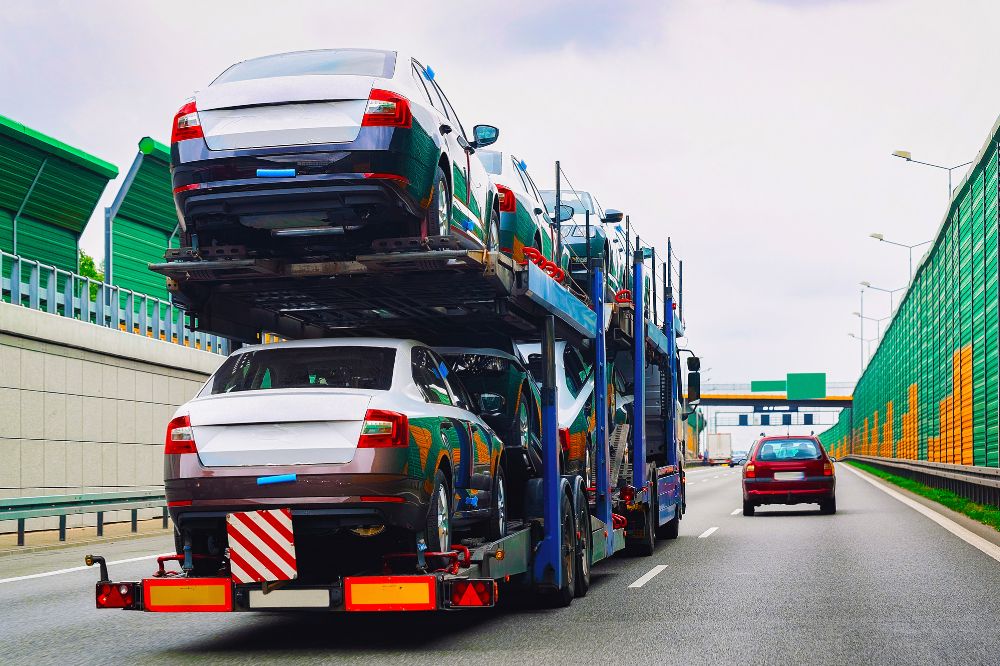
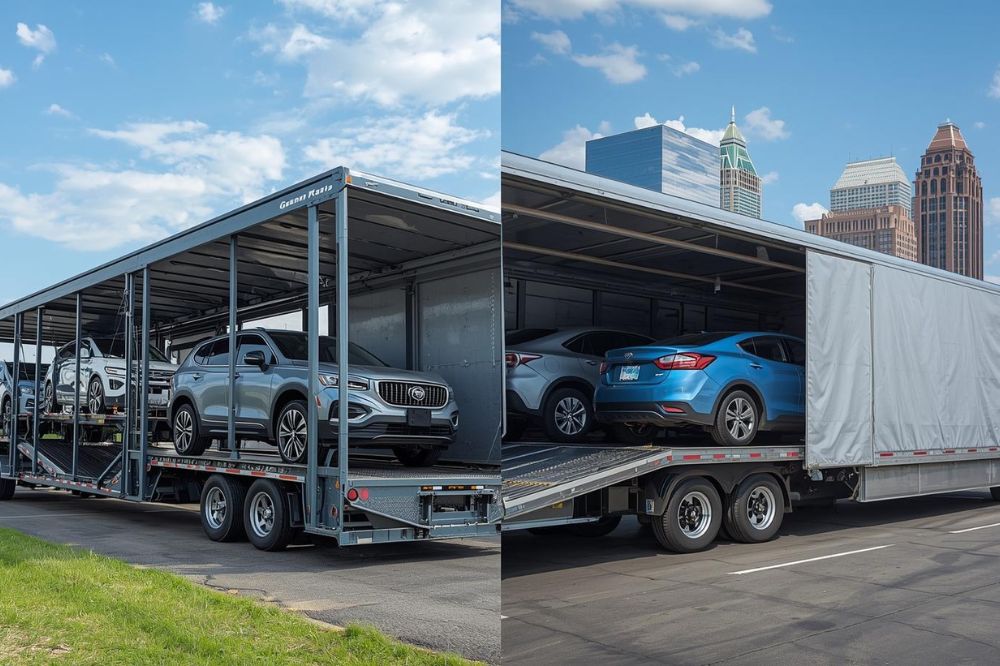
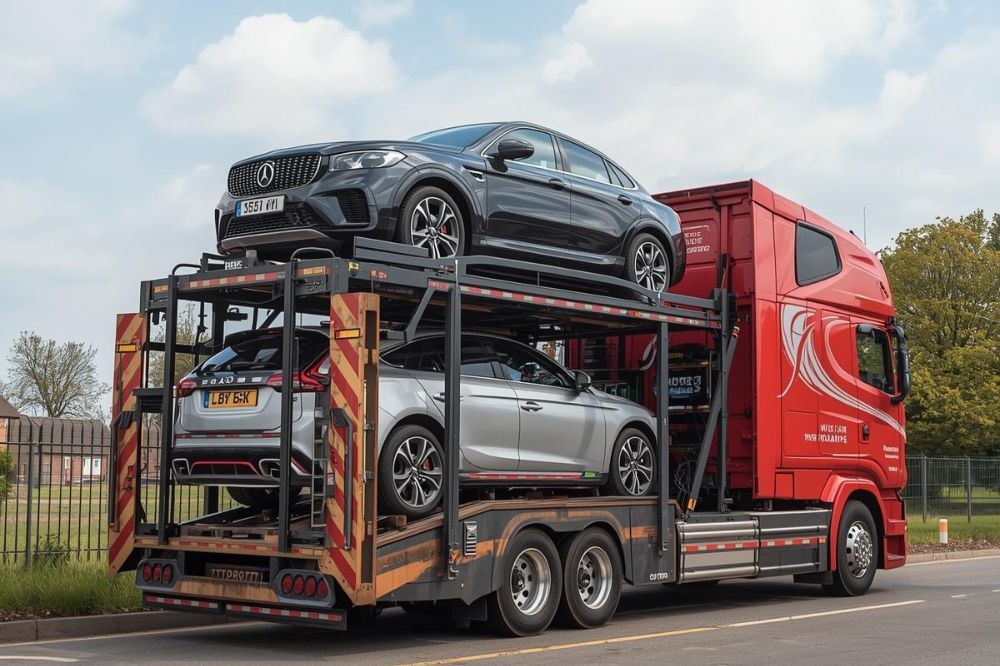
Dealerships across the U.S., especially in regions known for auto trading like Michigan, often rely on experienced providers who handle car shipping routes efficiently. These carriers manage both open and enclosed transport methods. Open carriers offer the best value for standard vehicles, while enclosed carriers are preferred for high-end, luxury, or collector cars that require additional protection during transit.
Types of Vehicle Moves for Dealerships
Dealerships move vehicles for various reasons — from trade-ins and wholesale runs to auction acquisitions and showroom deliveries. Each type of transport comes with its own logistics and priorities.
| Type of Move | Description | Typical Frequency |
| Auction Acquisition | Vehicles purchased from nationwide or online auctions. | Weekly or as needed |
| Inventory Balancing | Redistribution of stock between branches or regions. | Monthly or quarterly |
| Showroom Deliveries | Transporting new or luxury vehicles for display. | Regular schedule |
| Wholesale Runs | Moving pre-owned or trade-in vehicles for resale. | Weekly basis |
| Service & Recall Routing | Shipping vehicles for repairs, recalls, or maintenance. | Case-by-case |
By organizing these shipments through professional transport services, dealerships can maintain steady inventory flow and minimize downtime across states.
How the Process Works
Most auto transport services follow a simple, transparent process designed for dealership convenience. Here’s a typical breakdown of how professionals transport cars for dealerships:
- Get a Quote
The dealership provides pickup and delivery details, vehicle type, and transport preference (open or enclosed). - Schedule Pickup
Once confirmed, the carrier schedules a date and time for collection — usually within 24–72 hours. - Vehicle Inspection
Before loading, the car is inspected for any pre-existing damage. Documentation ensures clarity for both dealer and carrier. - Transport in Transit
The vehicle is safely loaded and secured. GPS tracking often allows dealerships to monitor progress in real time. - Delivery & Final Check
Upon arrival, the driver and dealership representative inspect the vehicle once again to confirm its condition before signing off.
This end-to-end process ensures dealerships can plan their sales and service timelines with confidence, whether it’s a local move or long-distance car shipping Michigan route.
Factors That Affect Dealership Transport Costs
Several variables determine how much it costs to move cars between dealerships or from auctions. Below is a simple table summarizing the main pricing factors:
| Factor | Impact on Price | Example |
| Distance & Route | Longer routes increase total cost. | Michigan to Florida vs. local delivery |
| Transport Type | Enclosed carriers are more expensive. | Enclosed for luxury cars |
| Vehicle Type/Size | Larger vehicles require more space. | SUVs vs. compact sedans |
| Pickup Location | Rural or limited-access areas may cost more. | Remote dealerships |
| Urgency | Expedited shipping costs slightly more. | 24-hour pickup option |
Knowing these details helps dealerships budget accurately and plan ahead for regular shipments.
Seasonal and Operational Tips for Dealership Shipping
Car dealerships operate year-round, but external conditions can influence transport schedules and safety. Understanding seasonal trends helps reduce downtime and delays, especially for car shipping Michigan operations that face harsh winters.
Spring and Summer
- High season for new model releases and relocations.
- Schedule in advance due to increased carrier demand.
- Consider enclosed options for long-distance moves to protect from debris.
Fall
- Ideal for bulk inventory balancing before winter.
- Cooler weather allows smoother transit times.
Winter
- Weather delays are more common.
- Ensure vehicles are winterized before shipping.
- Allow extra days for pickup and delivery scheduling.
- Dealerships that plan around these conditions often experience fewer complications and maintain smoother inventory cycles.
Common Questions Dealerships Ask
1. What happens if a vehicle gets damaged during transport?
Most professional carriers include full insurance coverage for every shipment. If an incident occurs, dealerships can file a claim directly with an adjuster, ensuring quick resolutions and minimal downtime.
2. Can last-minute auction wins be shipped quickly?
Yes. Priority or expedited transport options are designed for such cases. Some networks can pick up vehicles within 24–48 hours, helping dealers move cars from auctions to showrooms efficiently.
3. Do you handle inoperable vehicles?
Absolutely. Inoperable cars require special handling, like winch loading and secure anchoring. Many dealers rely on this service for service center routing or auction recoveries.
4. Is enclosed transport available for high-end models?
Yes. Enclosed shipping is ideal for new arrivals, classic cars, or luxury vehicles that require maximum protection from dust, debris, and weather conditions.
These frequently asked questions show how dealership auto transport is built for flexibility and reliability, addressing nearly every challenge a dealership might face.
Why Professional Transport Matters for Dealerships
When dealerships try to manage transport internally, it often leads to logistical issues and added wear on vehicles. Partnering with professional services ensures:
- Timely delivery across multiple states.
- Reduced labor and operational costs.
- Enhanced vehicle safety through insured carriers.
- More efficient use of dealership resources.
From auction acquisitions to regional trades, professional transport keeps the wheels of commerce turning — especially for car shipping dealers who handle diverse routes and weather conditions year-round.
Final Thoughts
Across the United States, dealerships depend on organized, insured, and timely transport systems to maintain inventory flow. From auction purchases to new model launches, vehicle logistics have become a vital part of modern dealership management. Reliable transport allows dealers to focus on customers instead of worrying about how cars will reach their lots.
Companies like Spark Auto Transport LLC make it easier for businesses to transport cars for dealerships safely and efficiently through their nationwide carrier networks and flexible scheduling. With options for both open and enclosed carriers, professional dealership auto transport ensures every vehicle arrives just the way it left — ready for the showroom floor.