Car shipping in the USA feels simple on the surface, but once people begin requesting quotes, they often notice that the numbers can shift from one situation to another. Even customers who book around the same time may end up with different pricing. This is because transport companies handle different routes, vehicle types, permits, and conditions every day, especially when dealing with commercial trucks or heavy equipment. Instead of following a fixed pattern, the cost changes based on how many small details shape the overall move. In this blog, written in a natural and slightly imperfect way, we look at the major factors that influence vehicle transport costs, including insights from the types of services offered by Spark Auto Transport LLC.
Distance, Route Popularity, and Accessibility
Distance is the most commonly known factor, but it does not always work as directly as people expect. Long-distance routes usually cost more, yet busy highways sometimes keep prices steady because carriers travel them often. Meanwhile, shorter routes in rural regions may be more expensive because the carrier needs special planning or extra travel time. If someone explores how small-town areas handle transport, such as vehicle shipping davison, they can see how location affects pricing. Routes with tight roads or low-access areas also add complications, shifting the final cost.
Key Pointers
- Long routes increase fuel use and time on the road.
- Popular commercial corridors may lower cost.
- Hard-to-access pickup points often add extra planning steps.
Type of Vehicle Being Shipped
One of the biggest cost influencers is the type of vehicle. Commercial vehicles come in many shapes and sizes, such as box trucks, service vans, dump trucks, passenger shuttles, and construction equipment. Each one requires a different carrier setup. Spark Auto Transport LLC handles vehicles up to around 80,000 lbs, and moving something this large changes the pricing pattern.
Vehicle Impact Table
| Vehicle Category | Description | Cost Influence |
| Sedans | Standard consumer cars | Lower cost |
| SUVs | Larger body and weight | Moderate cost |
| Box Trucks | Tall, heavy commercial units | Higher cost |
| Construction Equipment | Loaders, excavators, machinery | High due to weight |
| Specialty Vehicles | Emergency or utility trucks | Variable depending on needs |
Sub-Pointers
- Tall or wide vehicles reduce trailer capacity.
- Heavy vehicles increase fuel usage.
- Specialty equipment may require extra loading tools.
Weight and Load Limit Considerations
Commercial carriers follow strict weight limitations. When transporting large vans, dump trucks, or similar vehicles, the carrier must balance weight on the trailer to stay within legal limits. If a vehicle is extremely heavy, the carrier may need a specialized trailer. This responsibility affects the rate because the equipment is different, and the planning becomes more detailed. The page describing commercial transport by Spark Auto Transport LLC highlights this need for proper load distribution, and that directly connects to pricing.
Permits, Regulations, and Oversized Loads
Another major cost factor is compliance with state and federal rules. Oversized or overweight vehicles often require special permits, escort vehicles, or approved routes. These extra steps change the price, especially if the vehicle crosses multiple states. Commercial transport services regularly manage permits, and because requirements differ from state to state, the final cost reflects these variations.
Permits That Affect Cost
- Oversized load permits
- DOT paperwork
- State-specific travel approvals
- Escort vehicle requirements
Vehicle Condition (Running vs. Non-Running)
If a vehicle starts normally, loading and unloading are straightforward. But if a truck or commercial unit cannot move on its own, the carrier must use winches or advanced equipment to place it safely. Something as simple as a locked wheel or a dead battery may require extra time. This adds to the cost because the carrier needs more labor and sometimes more tools.
Type of Transport Selected
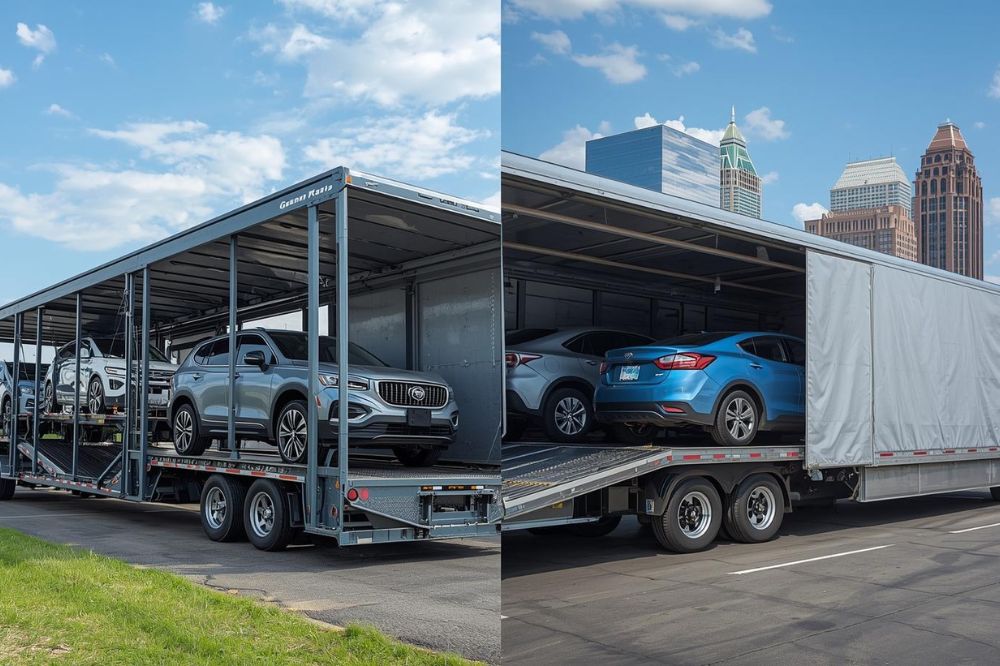
Car shipping comes with several transport methods. Open carriers are the most common for regular cars, while enclosed carriers protect luxury or sensitive vehicles. For commercial transport, there are also specialized trailers and hotshot carriers used for urgent moves. When customers request fast delivery or unique setups, the rate increases. Spark Auto Transport LLC offers flexible options depending on how the vehicle needs to be handled, and this is why transport type naturally affects the overall pricing.
Scheduling Flexibility and Timing
Transport companies work better when they can combine multiple pickups and deliveries along the same route. If the customer has flexible dates, the cost may stay moderate. Tight schedules or urgent deliveries require the carrier to reroute or dedicate a truck, which increases the price. Seasonal timing also matters because winter storms, summer relocations, and holiday travel patterns shift availability.
Fuel Prices and Market Conditions
Fuel prices change often in the USA, and they directly influence shipping rates. Carriers update prices to balance expenses related to fuel, maintenance, insurance, and labor. When fuel spikes, shipping prices usually rise. When it becomes stable, rates may be more predictable. Although customers might not see these backend costs, they play a major role in the final transport price.
Conclusion
Car shipping costs depend on more than just distance. When you look at commercial vehicle services provided by companies such as Spark Auto Transport LLC, it becomes clear that vehicle size, route accessibility, permits, fuel, seasonal timing, and even small communication details shape the final quote. Whether someone is transporting a regular sedan or exploring something specific like vehicle shipping davison, understanding these factors helps them plan more confidently. Carriers work across different conditions every day, and each move has its own list of influences that shift the total price.