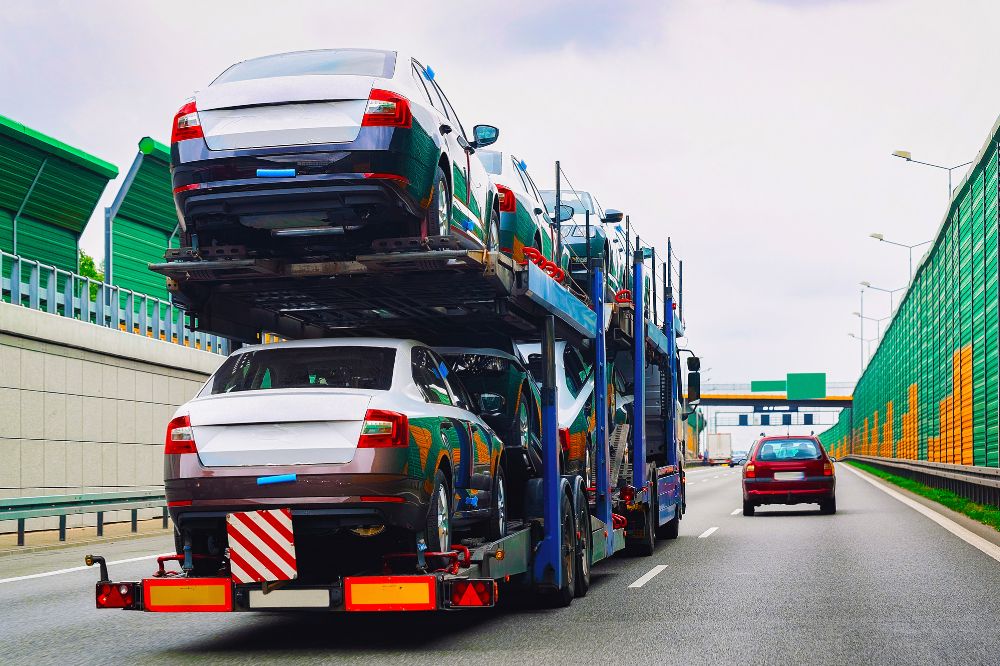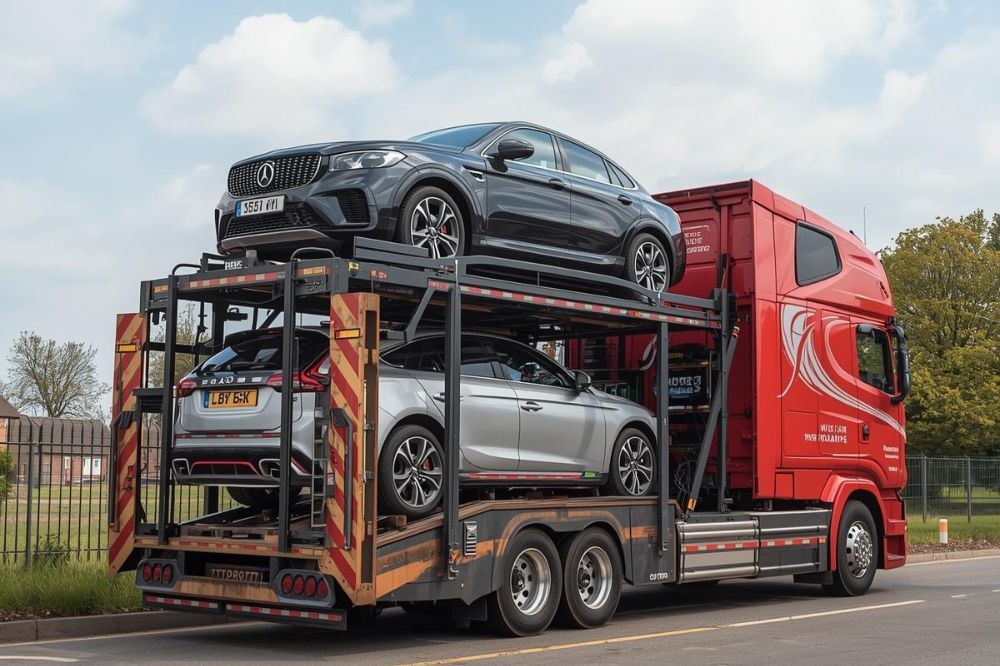
For car dealerships, moving vehicles safely and on time can make or break daily operations. Whether it’s bringing in new stock from auctions or relocating vehicles between lots, timing plays a big part. In Detroit, where the auto industry runs deep, scheduling and coordination matter even more. Understanding how to manage auto transport effectively helps dealerships avoid delays, reduce costs, and keep inventory ready for customers.
Why Dealerships Depend on Smooth Transport
Running a dealership means more than just selling cars. It’s also about managing flow — cars coming in, going out, and being ready for display. When vehicles don’t arrive on time or show up with damage, it affects business directly. Reliable planning around auto transport keeps everything in motion without unnecessary stress.
Dealership transport involves:
- Coordinating large batches of vehicles.
- Handling strict pickup and drop-off schedules.
- Ensuring each vehicle arrives in spotless condition.
- Managing multiple documents and inspections.
For dealerships, auto transport isn’t a background task — it’s a key part of keeping the business steady.
Core Elements of Dealership Auto Transport
Here’s what usually defines a solid transport plan for dealerships:
| Component | Why It Matters |
| Scheduling | Keeps vehicles arriving on time to meet sales or delivery goals. |
| Equipment Type | Choosing the right trailer protects cars from damage. |
| Tracking | Helps managers monitor shipments in real time. |
| Condition Reports | Ensures accountability for every vehicle in transit. |
When these steps line up properly, dealership logistics run like clockwork.
Plan Early to Stay Ahead
Most delays in dealership transport happen because of late bookings. In a busy region like Detroit, waiting until the last moment can cause major headaches. The best approach is to schedule auto transport at least two or three weeks in advance.
Early planning lets you:
- Secure carriers with open slots.
- Match delivery times with your lot’s staffing and space.
- Avoid price hikes during peak moving months.
Having a predictable schedule keeps your lot ready to handle new arrivals efficiently.
Choosing the Right Transport Type
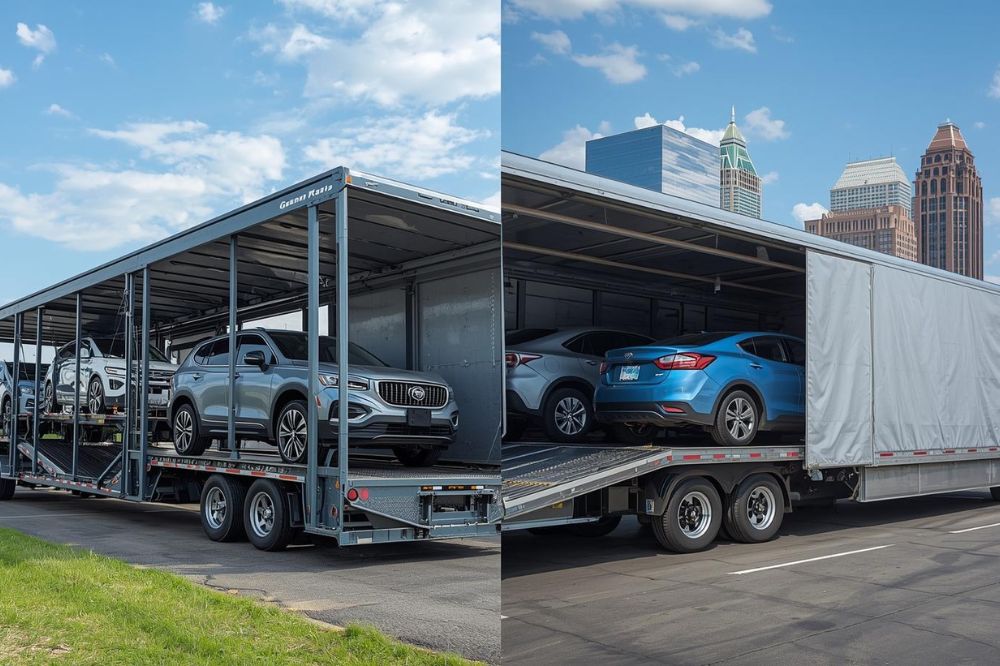
Different vehicles and situations need different transport setups. Here’s a quick guide to help choose:
| Transport Type | Best For | Main Advantage |
| Open Transport | Regular used or trade-in cars | Cost-effective and widely available |
| Enclosed Transport | High-end, classic, or new models | Added protection from weather and debris |
| Door-to-Door | Busy dealerships | Simplifies logistics, less handling |
| Terminal-to-Terminal | Flexible deliveries | Suitable for bulk shipments |
When planning auto transport Detroit MI, dealerships often use a mix of these options depending on what kind of vehicles they’re moving.
Get the Cars Ready Before Pickup
Transport efficiency also depends on how prepared the vehicles are before loading. A little time spent beforehand saves confusion later.
Quick preparation checklist:
- Wash and inspect each car before pickup.
- Take photos for records — front, sides, and back.
- Keep about one-fourth tank of fuel.
- Remove tags, toll devices, or items inside.
- Check that the battery and tires are in good shape.
This makes the inspection easier and helps maintain accurate records during shipment.
Stay in Contact During the Process
Good communication is what keeps dealership transport moving smoothly. Once you’ve confirmed pickup, make sure all parties are aligned — the driver, dispatch team, and your lot managers.
Useful practices include:
- Sharing full pickup and delivery details.
- Providing backup contact numbers.
- Checking that the driver has clear access to loading zones.
Clear communication helps avoid last-minute surprises and builds trust with the carrier.
Consider Detroit’s Seasonal and Local Factors
Detroit’s climate adds its own challenges. Winters bring heavy snow, while road repairs in warmer months can slow routes. Being aware of these helps with accurate scheduling of auto transport detroit mi.
Things to keep in mind:
- Winter transport can take longer — plan a few extra days.
- Monitor construction updates on key roads like I-75 and I-94.
- Make sure there’s enough room for trailers to maneuver, especially in urban areas.
Adapting to local conditions is one of the smartest ways to keep dealership logistics running smoothly year-round.
Avoid the Common Mistakes
Even experienced teams can make small mistakes that lead to big delays. Some of the most common include:
- Booking too late and missing available slots.
- Forgetting to document vehicle condition.
- Miscommunication about delivery hours.
- Expecting exact arrival times instead of flexible windows.
Avoiding these helps keep schedules realistic and stress-free.
Conclusion: Building a Reliable System
Dealership auto transport isn’t just about trucks and timing — it’s about building a repeatable system. When dealerships treat transport as part of their business strategy, everything runs more efficiently. The key steps remain simple: plan early, prepare well, stay flexible, and communicate clearly.
The Detroit metro area is one of the busiest regions for moving cars, so mastering these practices can make a real difference. Over time, dealerships that invest effort in refining their transport process see better consistency and fewer interruptions.
And when consistent, dependable service is needed for auto transport i, Spark Auto Transport LLC stands out as a trusted name familiar with the city’s routes, conditions, and timing needs.