When people need to move a car from one place to another, one of the first questions that comes up is how to transport it safely. In Davison, two common options are open transport and enclosed transport. Each has its own advantages depending on what type of vehicle is being shipped, how much protection is needed, and the overall budget. Choosing the right method for car shipping Davison can make the entire process smoother and less stressful.
Understanding the Two Transport Options
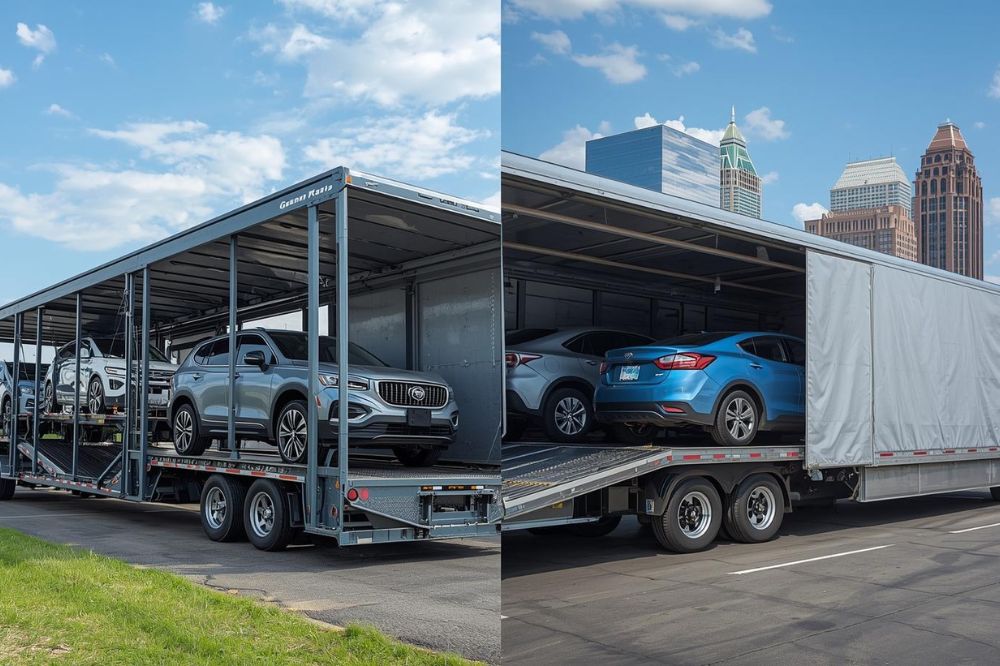
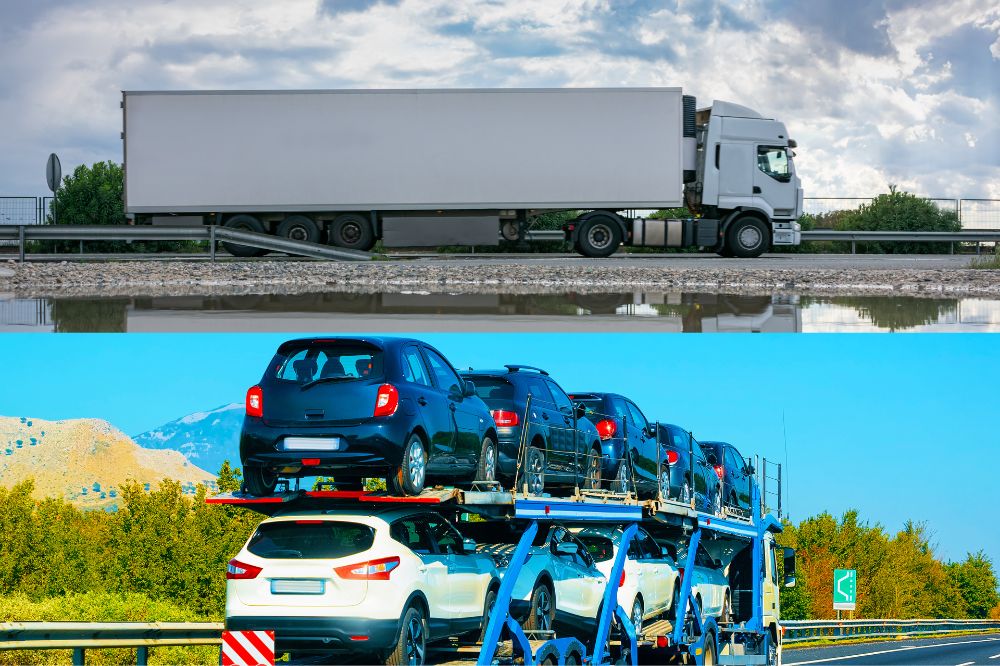
Both methods aim to deliver vehicles safely, but they differ in structure and approach. Below is a simple comparison that explains what they offer.
| Transport Type | Description | Common Use |
| Open Transport | Cars are loaded on open trailers, visible and exposed to outside conditions. | Everyday vehicles, family cars, or dealership shipments. |
| Enclosed Transport | Cars are carried inside covered trailers, protected from weather and debris. | Luxury, vintage, or high-value vehicles. |
Open Transport – The Common Choice
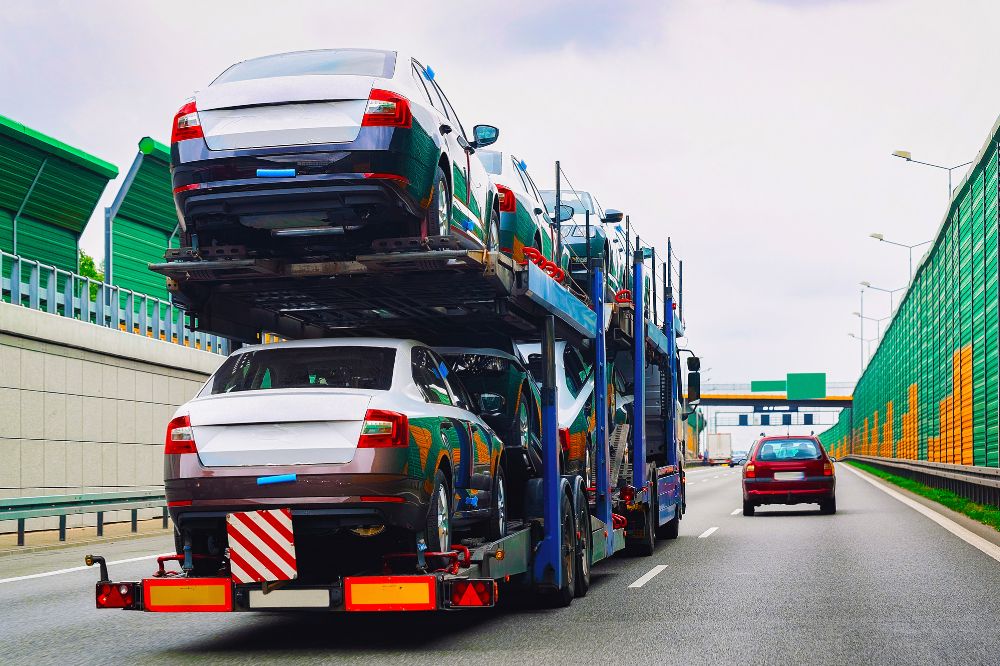
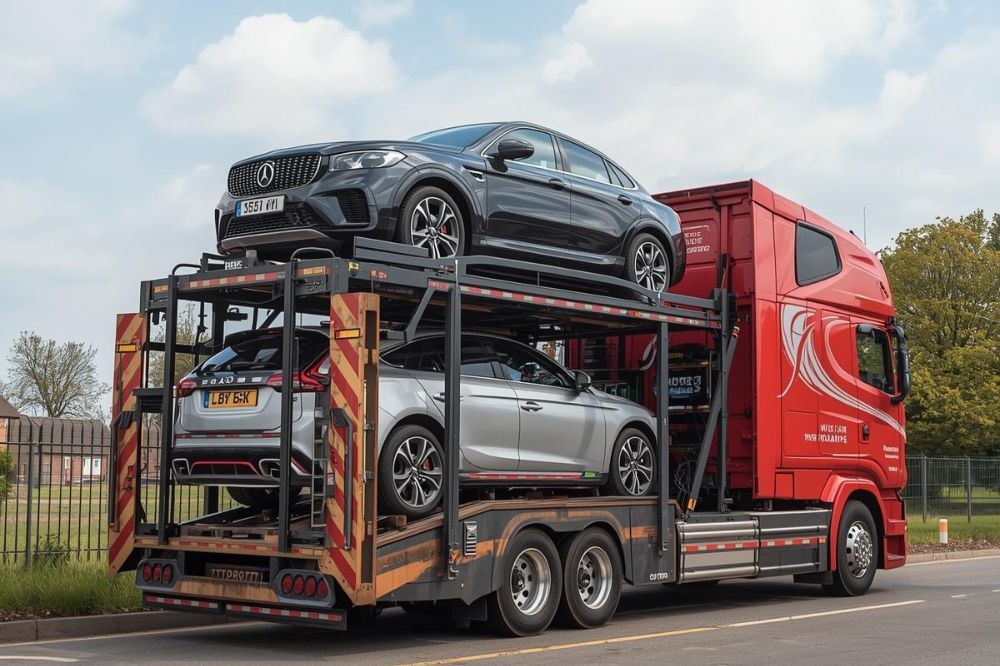
Open transport is the most widely used method for vehicle shipping in the United States. It’s what you often see on highways—large trailers carrying several cars at once. This option is usually faster to schedule and more affordable
Benefits of Open Transport
- Cost efficiency
Since multiple cars are shipped together, transportation costs are shared, making it the most economical choice for car shipping Davison. - Frequent availability
Open trailers operate on most major routes, which helps in faster pick-up and delivery times. - Simplicity
The process is straightforward, making it suitable for people who are shipping a regular car without specific handling needs.
Limitations of Open Transport
- Exposure to weather
Cars remain uncovered, meaning they can get dusty or wet during the journey. - Visibility
Vehicles are visible to others while being transported, which may be a concern for owners who prefer privacy.
Despite these factors, open transport remains the most practical method for the majority of car owners.
Enclosed Transport – The Protective Option
Enclosed transport provides an additional layer of security and care. The vehicles are completely covered, protected from external elements like rain, snow, or dust. While it costs more, it is often worth considering for cars that require special attention.
Advantages of Enclosed Transport
- Weather protection
The enclosed design prevents the vehicle from being affected by wind, rain, or other outdoor conditions. - Extra care
Fewer vehicles are transported at once, which allows for careful handling and less movement during transit. - Ideal for valuable vehicles
People who own collector cars or restored models often prefer this method because it provides greater peace of mind.
Limitations of Enclosed Transport
- Higher cost
Fewer cars per load and specialized handling make this option more expensive than open trailers. - Less frequent availability
There are fewer enclosed carriers operating compared to open ones, which can make scheduling more challenging.
Comparison Table: Open vs. Enclosed Transport
| Feature | Open Transport | Enclosed Transport |
| Cost | Lower | Higher |
| Protection | Exposed to elements | Fully covered |
| Vehicle Type | Standard models | Luxury or vintage cars |
| Availability | Frequent | Limited |
| Speed | Usually faster | May take longer |
| Privacy | Visible | Hidden |
When Open Transport Works Best
For many people in car shipping, open transport is the right fit. It works well when you’re moving an everyday vehicle or need a cost-effective solution.
Open transport is ideal for:
- Relocating to another city or state.
- Shipping a car from a dealership or auction.
- Moving multiple vehicles at once.
If your car is used regularly and can handle outdoor exposure, this is often the simplest and most practical choice.
When Enclosed Transport Makes More Sense
There are situations when enclosed transport is more appropriate, even if it costs more. The protection it offers can be worth the price for certain kinds of vehicles.
Enclosed transport is suitable for:
- Classic or vintage cars that can’t risk weather damage.
- Newly restored cars with delicate paintwork.
- High-end or collectible models that need extra care.
If you are shipping a car that holds sentimental or financial value, enclosed transport provides the safest option.
Things to Think About Before Choosing
Before deciding which method to use, there are a few points worth considering to make sure the shipping process goes smoothly.
- Distance and route – Longer routes might have more open carrier options.
- Vehicle type and condition – Non-operational cars might need special equipment for loading.
- Timing – Open carriers often have shorter waiting times.
- Season – Weather can influence both availability and cost.
Understanding these factors can help you choose the most practical solution for your situation.
Finding Balance Between Cost and Care
The decision between open and enclosed transport usually comes down to how much protection you want versus how much you’re willing to spend. Many people in car shipping find that open transport meets their needs perfectly, while others prefer to pay a little more for the peace of mind that comes with enclosed shipping.
The goal is to match the service to your car’s value and your expectations. Both options are safe and commonly used, and both are designed to deliver vehicles securely.
Final Thoughts
There isn’t a one-size-fits-all answer when comparing open and enclosed transport. What matters most is finding the option that fits your priorities—whether that’s cost, protection, or convenience.
If you’re looking for reliable and professional help with car shipping, you can contact Spark Auto Transport LLC. They provide dependable auto transport services that ensure your vehicle reaches its destination safely and on time.