The history of transportation shows how people have always looked for safer and more efficient ways to move valuable things from one place to another. Cars, over time, have become more than just machines; they are investments, daily necessities, and sometimes emotional assets. When it comes to moving a vehicle from one city to another, especially from a place like Detroit, cost is usually the first concern. But cost alone does not tell the full story. Understanding why car shipping exists and how it works helps explain where money is actually saved or lost.
Why Car Shipping Is Even Required Today
Car shipping is no longer limited to manufacturers or dealerships. Individuals now rely on it for relocations, online vehicle purchases, college moves, seasonal travel, and even long-term assignments. Driving a car across states may sound simple, but long-distance travel increases wear and tear, mileage, and exposure to unpredictable conditions.
In cities like Detroit, where vehicles frequently move in and out due to trade, employment shifts, and auctions, car shipping becomes more of a necessity than a convenience. The requirement comes from the need to protect the vehicle while ensuring it reaches the destination within a reasonable time frame and condition.
What Car Shipping Actually Means in Practical Terms
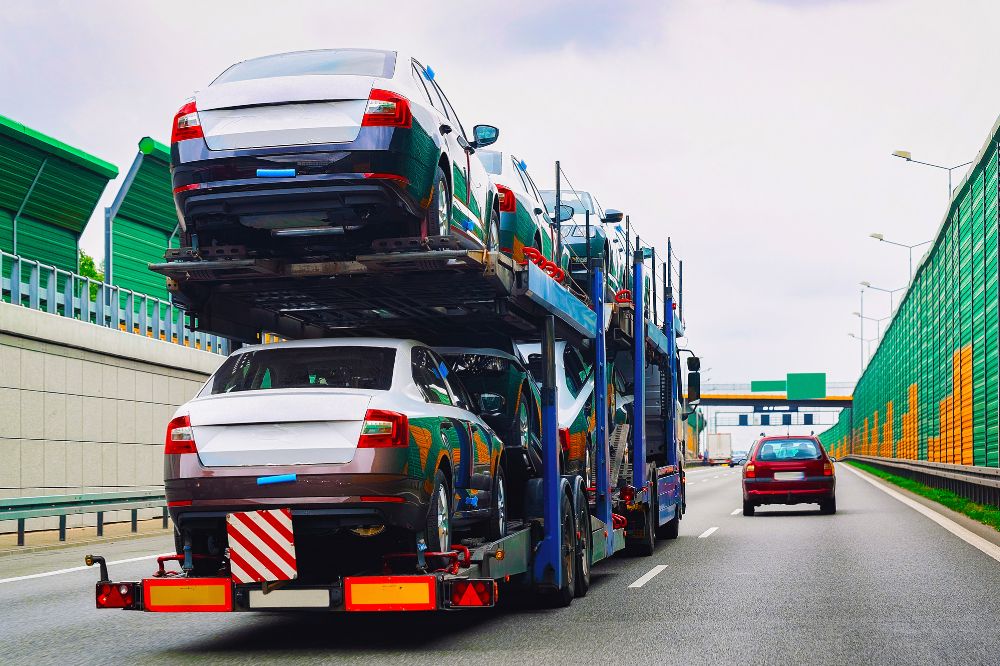
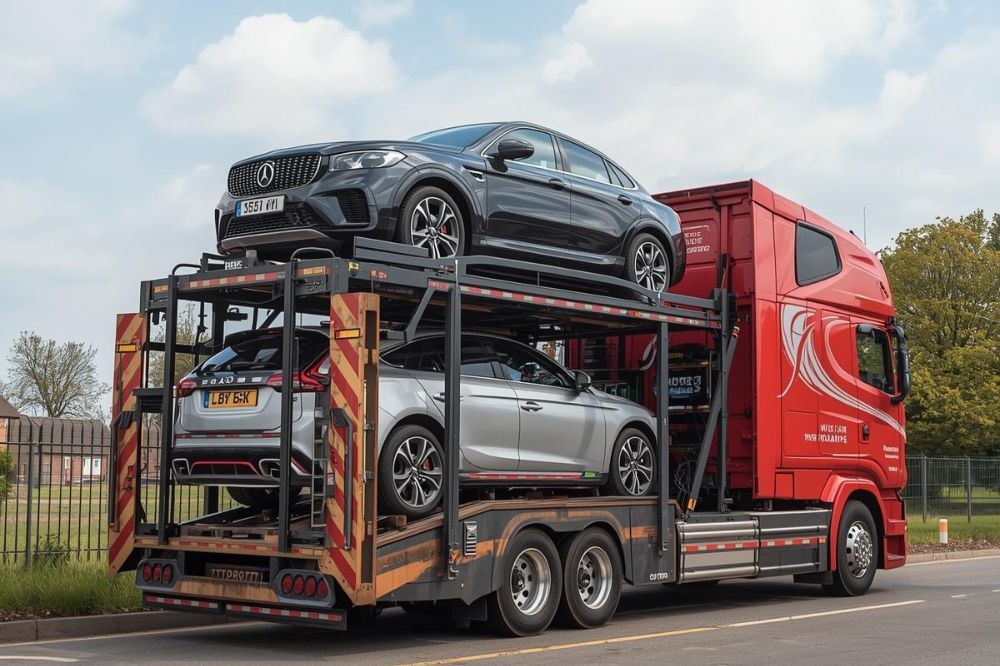
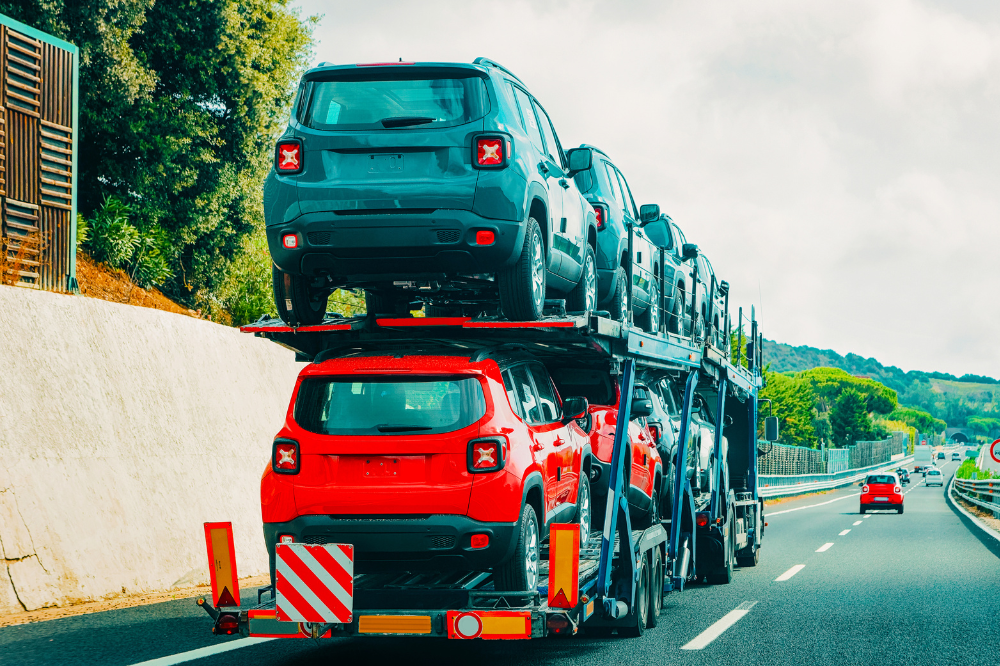
Car shipping is a structured transportation process where vehicles are moved using specialized carriers rather than being driven individually. This process includes route planning, vehicle securing, scheduling, and delivery coordination. Unlike personal driving, the goal is not speed but controlled handling.
Many people assume car shipping is simply loading a vehicle onto a truck. In reality, it involves understanding distances, road conditions, weather patterns, carrier availability, and liability coverage. These elements together decide how much the shipment will cost and how reliable it will be.
Factors That Influence Car Shipping Costs
Car shipping costs are not random. They are built on a combination of practical factors that determine how complex the shipment will be.
Distance plays a central role, but it is not the only factor. Longer distances may reduce per-mile cost but increase the overall price. Vehicle size also matters, as larger or heavier vehicles occupy more space and require additional handling.
Timing adds another layer. Seasonal demand, especially during summer or winter months, can influence pricing due to carrier availability and road conditions. Route accessibility also affects cost, as urban congestion or remote pickup points require additional coordination.
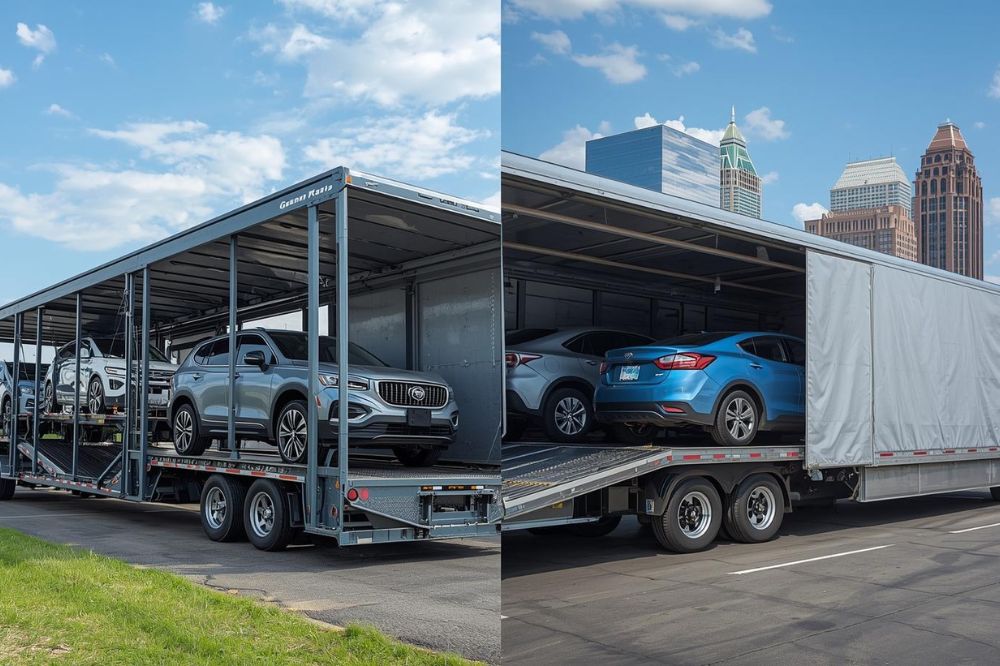
Another key consideration is transport method. Open carriers are commonly used for standard vehicles, while enclosed carriers are preferred for vehicles that require added protection. Each option carries a different cost structure, depending on the level of risk involved.
Why Professional Car Shipping Becomes Relevant
At this stage, many people start comparing professional shipping with self-managed transport. The assumption is often that handling the process personally will save money. However, this comparison usually ignores hidden costs and risks.
When individuals ship a car on their own, they take on responsibility for fuel expenses, lodging, tolls, and potential mechanical issues. More importantly, they also take on the full risk of damage. Any scratch, breakdown, or delay becomes a personal financial burden.
This is where professional shipping begins to make practical sense. Instead of managing multiple variables independently, responsibility is transferred to a system designed specifically for vehicle transport. In the middle of understanding these cost dynamics, many people researching Detroit shipping standards come across Spark Auto Transport LLC, often while trying to understand how structured logistics reduce uncertainty rather than increasing expense.
How Professional Shipping Helps Control Costs
Professional car shipping does not necessarily lower the upfront price, but it stabilizes the final cost. This difference is important. When costs are predictable, people avoid sudden financial surprises that often arise from self-shipping.
Insurance coverage is a major factor here. Professional transport includes defined liability, meaning damage risks are managed rather than absorbed personally. Route planning also reduces unnecessary mileage and exposure to harsh conditions, which helps preserve the vehicle’s condition.
Scheduling efficiency plays a role as well. Carriers plan shipments based on optimized routes, reducing delays and fuel waste. These efficiencies may seem small individually, but together they contribute to overall cost control.
Understanding auto transport detroit mi from a Cost Perspective
The term auto transport detroit mi represents more than just location-based pricing. It reflects a competitive transport environment shaped by demand, weather, and infrastructure. Rates vary because carriers adjust based on real-world logistics, not just distance.
People who compare prices without understanding these variables often assume inconsistency, when in reality, the variation reflects planning depth. Professional shipping accounts for these factors upfront, while self-shipping reacts to them after problems occur.
Saving Money by Avoiding Costly Mistakes
Savings in car shipping often come from prevention rather than discounts. Avoiding excessive mileage, reducing exposure to damage, and eliminating unplanned travel expenses all contribute to financial efficiency.
When experts handle car shipping, the chances of delays, damage, or miscalculations drop significantly. This reduction in risk is where long-term savings exist. Even if the initial quote feels higher, the absence of repair costs, time loss, and stress often balances the equation.
Final Thoughts on Car Shipping Costs
Car shipping costs make more sense when viewed as a balance between expense and protection. In Detroit, where shipping conditions are influenced by traffic patterns, climate, and long-distance routes, structured transport often proves to be the more cost-effective choice.
Rather than focusing only on upfront pricing, understanding the full process helps people make better decisions. Car shipping is not just about moving a vehicle; it is about ensuring that the move does not create additional financial or practical problems later.